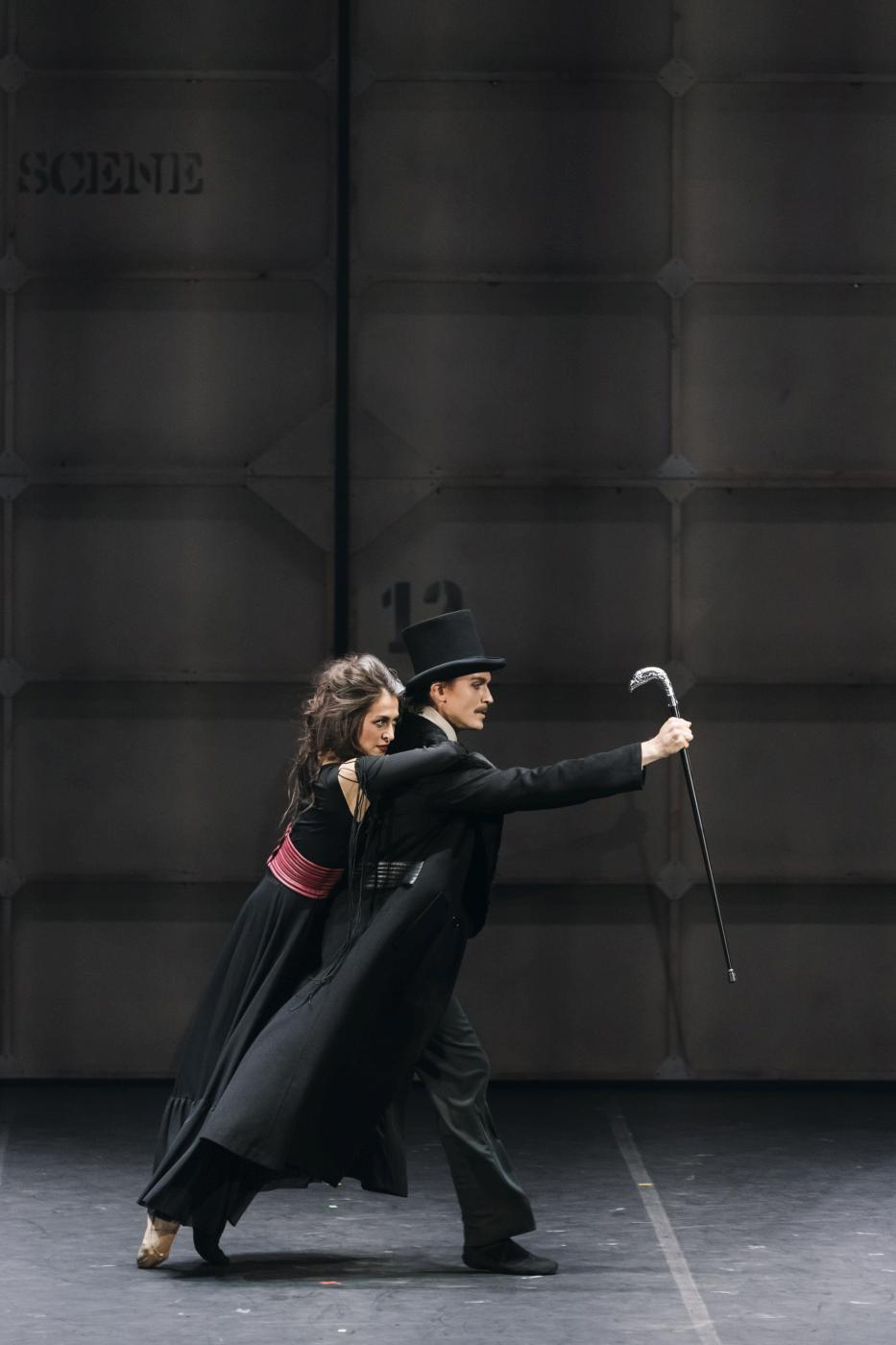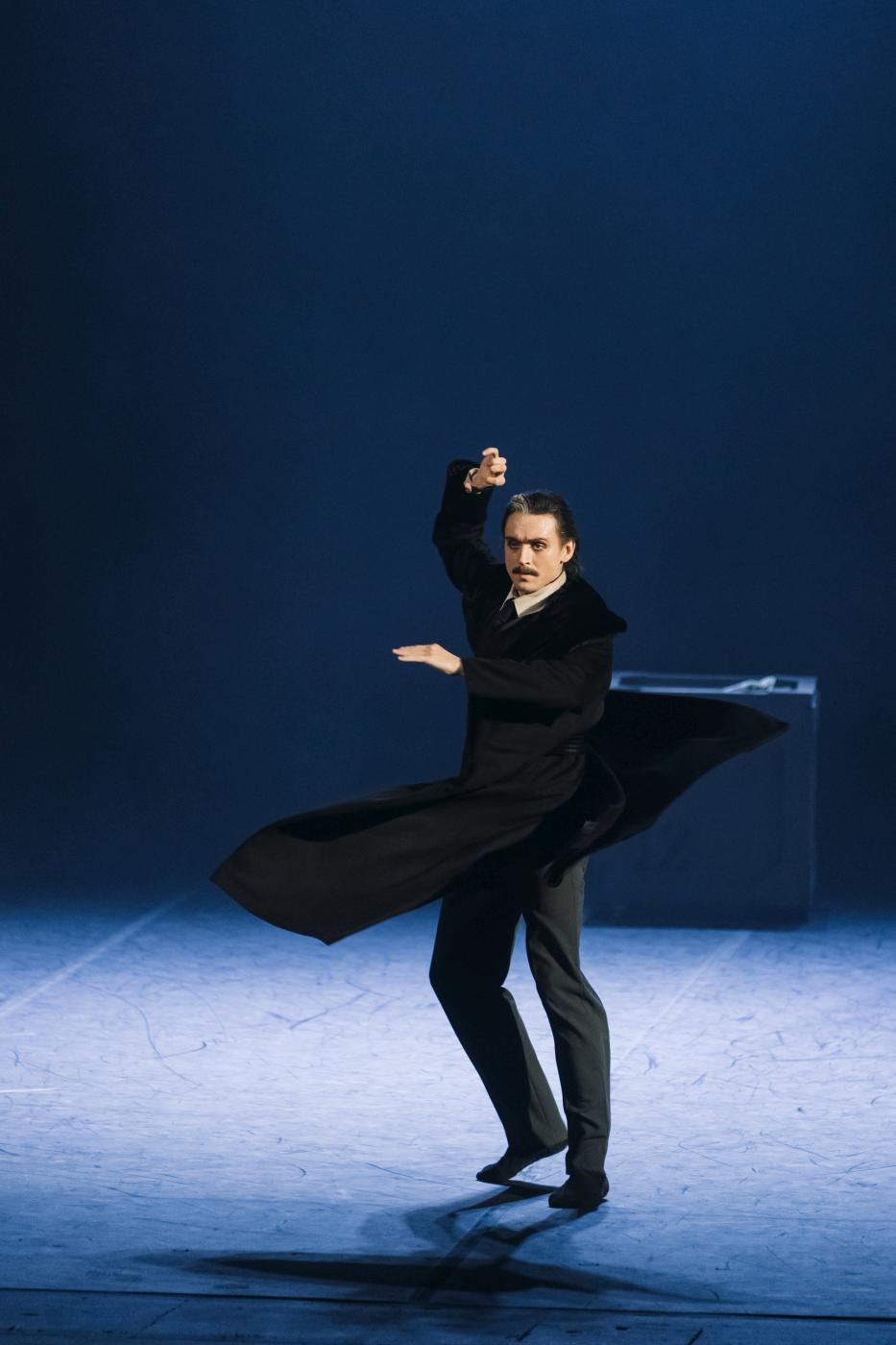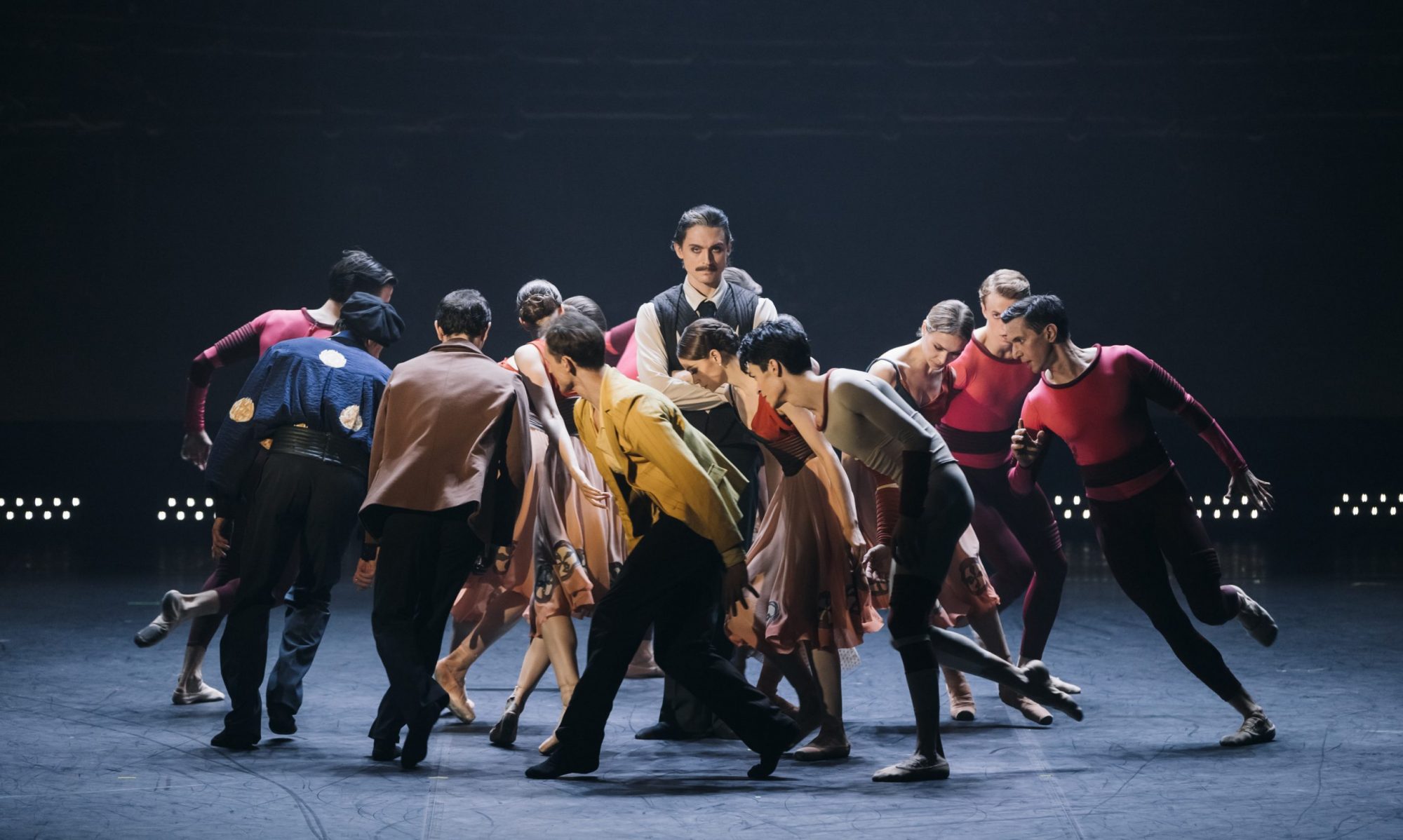
“Twilight”/“Bronia”
Les Ballets de Monte Carlo
Salle Garnier Opéra de Monte-Carlo
Monte Carlo, Monaco
July 18, 2025
by Ilona Landgraf
Copyright © 2025 by Ilona Landgraf
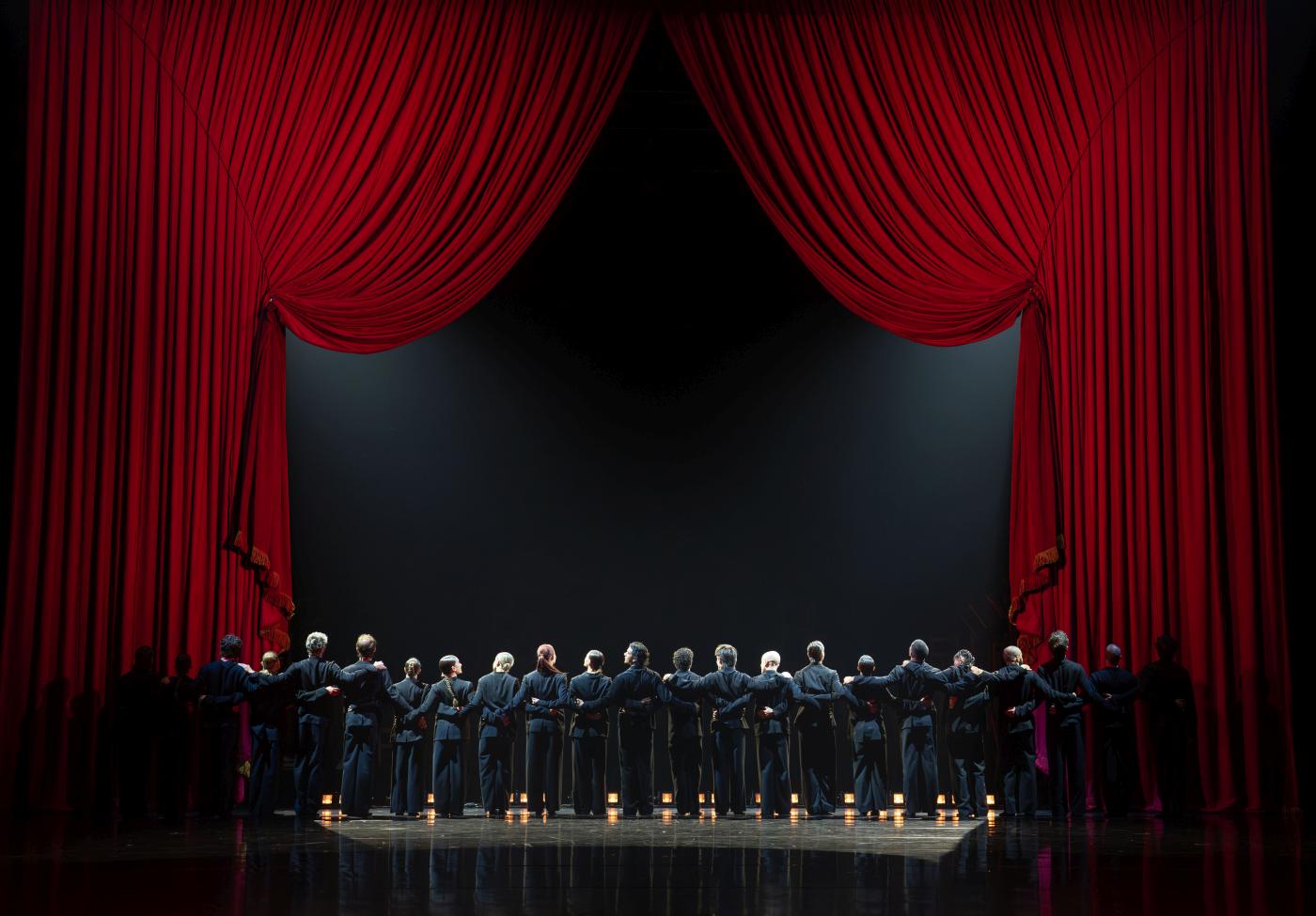
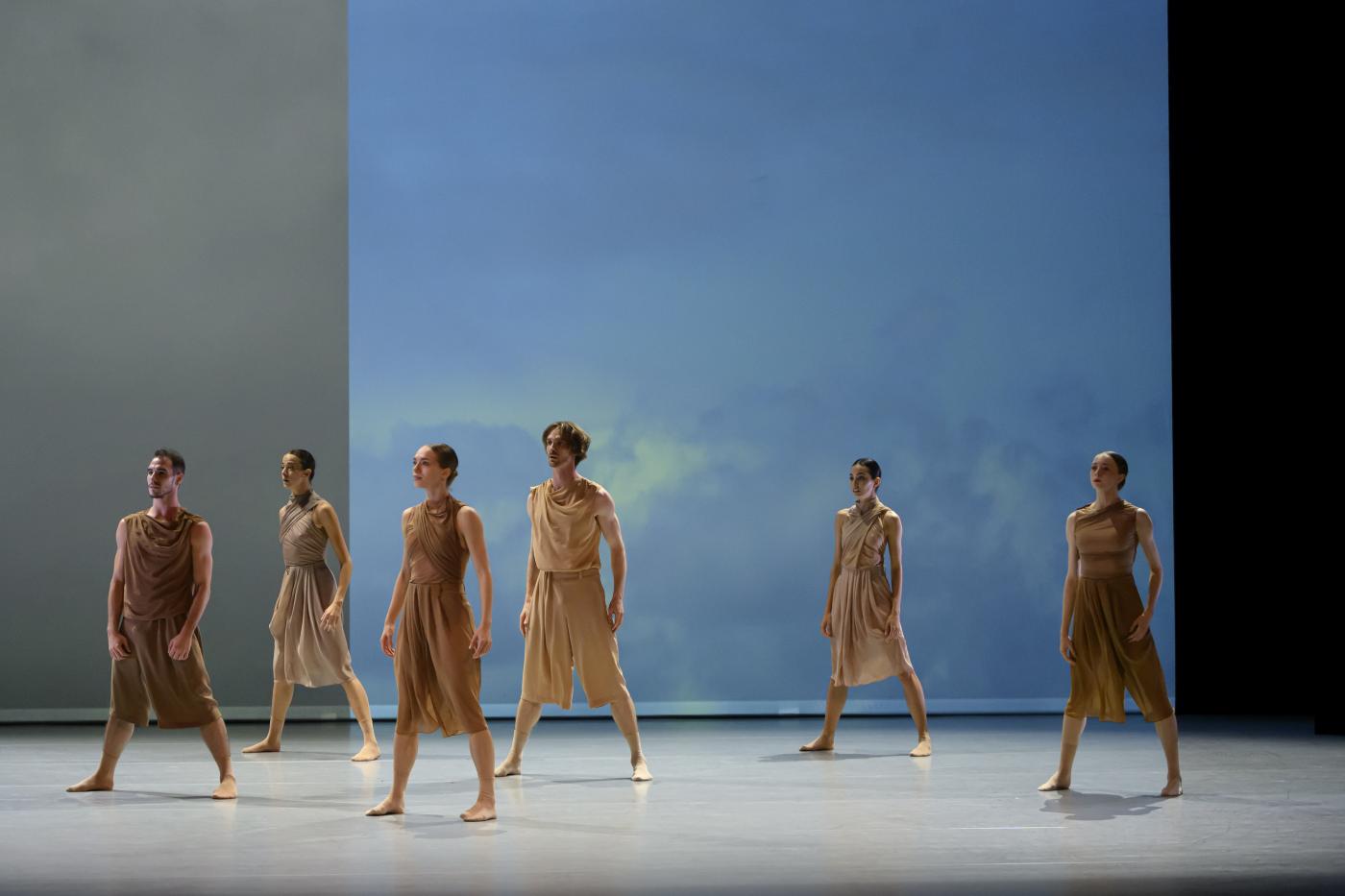 Les Ballets de Monte-Carlo closed the season with two new creations: Twilight by Lukáš Timulak and Bronia by Mattia Russo and Antonio de Rosa. So far, all productions I’ve seen in Monaco have been performed at the Grimaldi Forum, a modern glass and steel complex whose Salle des Princes lies below sea level. The new double bill was, however, presented at the Salle Garnier at the Opéra de Monte-Carlo, which is next door to the famous casino. A miniature replica of the Paris Opera, the Salle Garnier is a red and gold Italian theater built in the Second Empire style. It was here that Sergei Diaghilev’s Ballets Russes took up residence in 1911. Until the First World War, Diaghilev’s company rehearsed, prepared new productions, and stored sets and props in Monte-Carlo. On April 9, 1911, the Ballets Russes gave its first performance, which featured Scheherazade and Giselle. On April 19th, Nijinsky and Karsavina gave their debut in Fokine’s Le Spectre de la Rose. This history was significant in the context of the recent premiere. Continue reading “Something Is Going On”