“Nijinsky”
Vienna State Ballet
Vienna State Opera
Vienna, Austria
October 20, 2026 (live stream)
by Ilona Landgraf
Copyright © 2026 by Ilona Landgraf
 The insight I gained from the Vienna State Ballet’s premiere of Nijinsky hit me at the curtain call when choreographer John Neumeier took his bow. He looks back on an oeuvre of more than 180 pieces, and though his foundation’s website announces a new choreography for 2027, his career is nearing its end. He held on past his prime and missed the right time to hand over his company. On stage, another career was over: Nijinsky’s. But he certainly hadn’t yet realized his full potential.
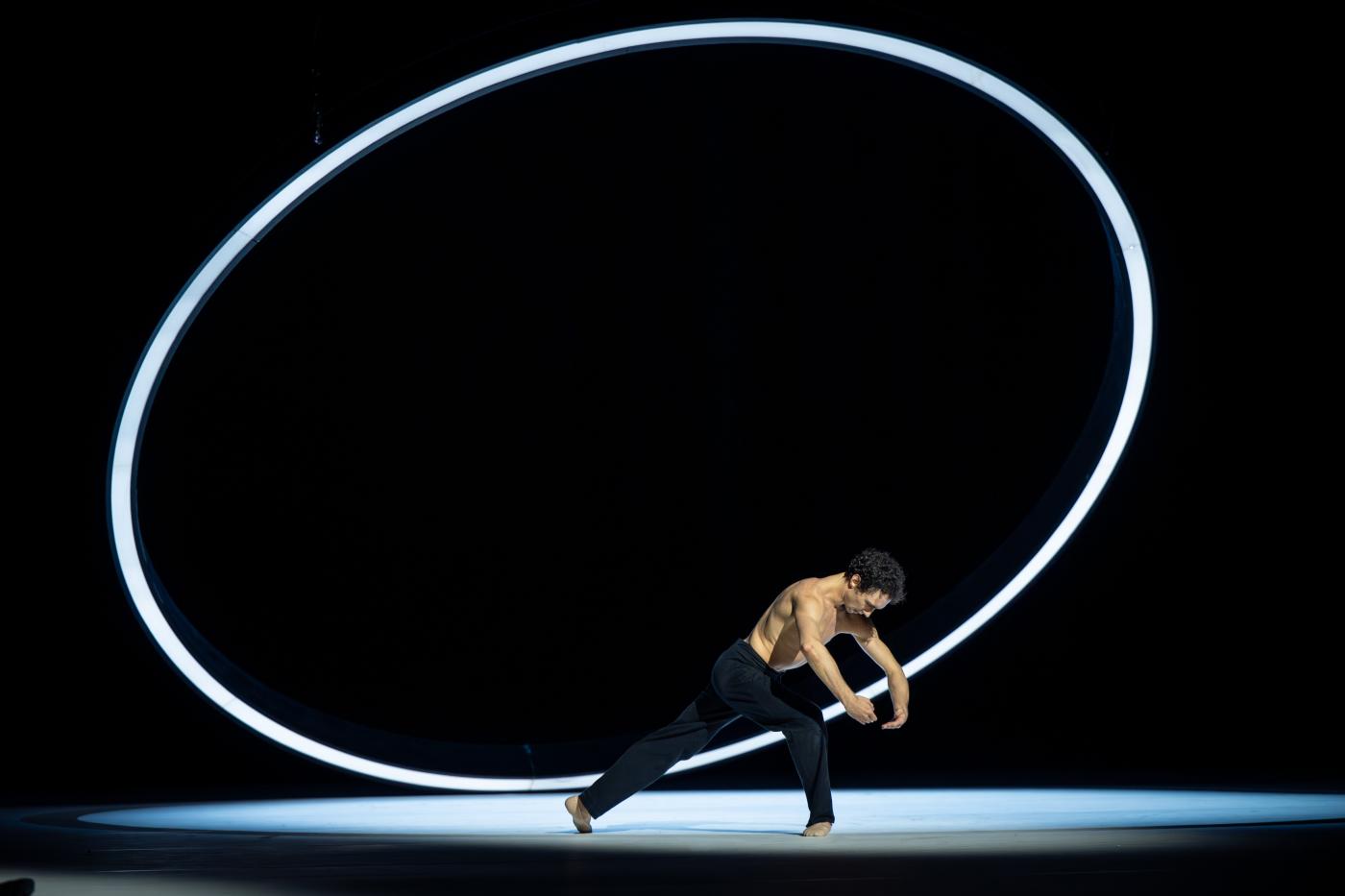
 I saw Nijinsky several times in 2009 and 2011, always danced by Neumeier’s home company, The Hamburg Ballet, and each time Nijinsky’s misery preoccupied me. What was the final straw that shattered his mental health? That both his wife, Romola, and Diaghilev used him? The brutality of World War I? The untimely death of his older brother, Stanislav? Although Nijinsky does not show the hero’s stay at the sanatorium, I wondered what harm the high insulin doses he received there might have done to him.


 Fifteen years later at the premiere in Vienna, these questions have become secondary. To ruminate on the wherefore of Nijinsky’s sad fate is pointless. Nothing can be fixed anyway. And when watching the eighty-seven-year-old Neumeier, visibly touched and gratefully acknowledging the applause, I recognized that the same applies to Neumeier. He has done his best. The time for changes is over.

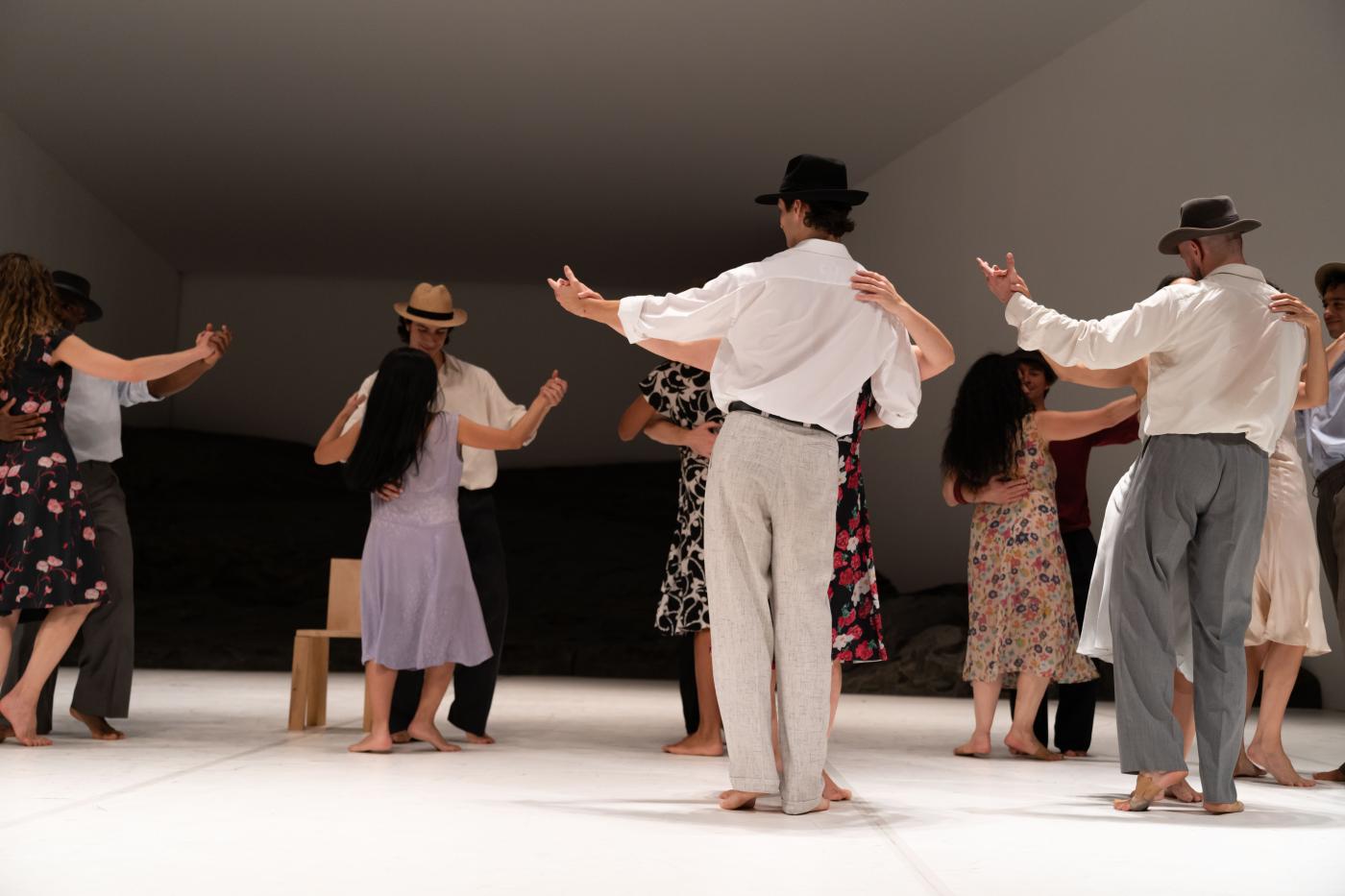
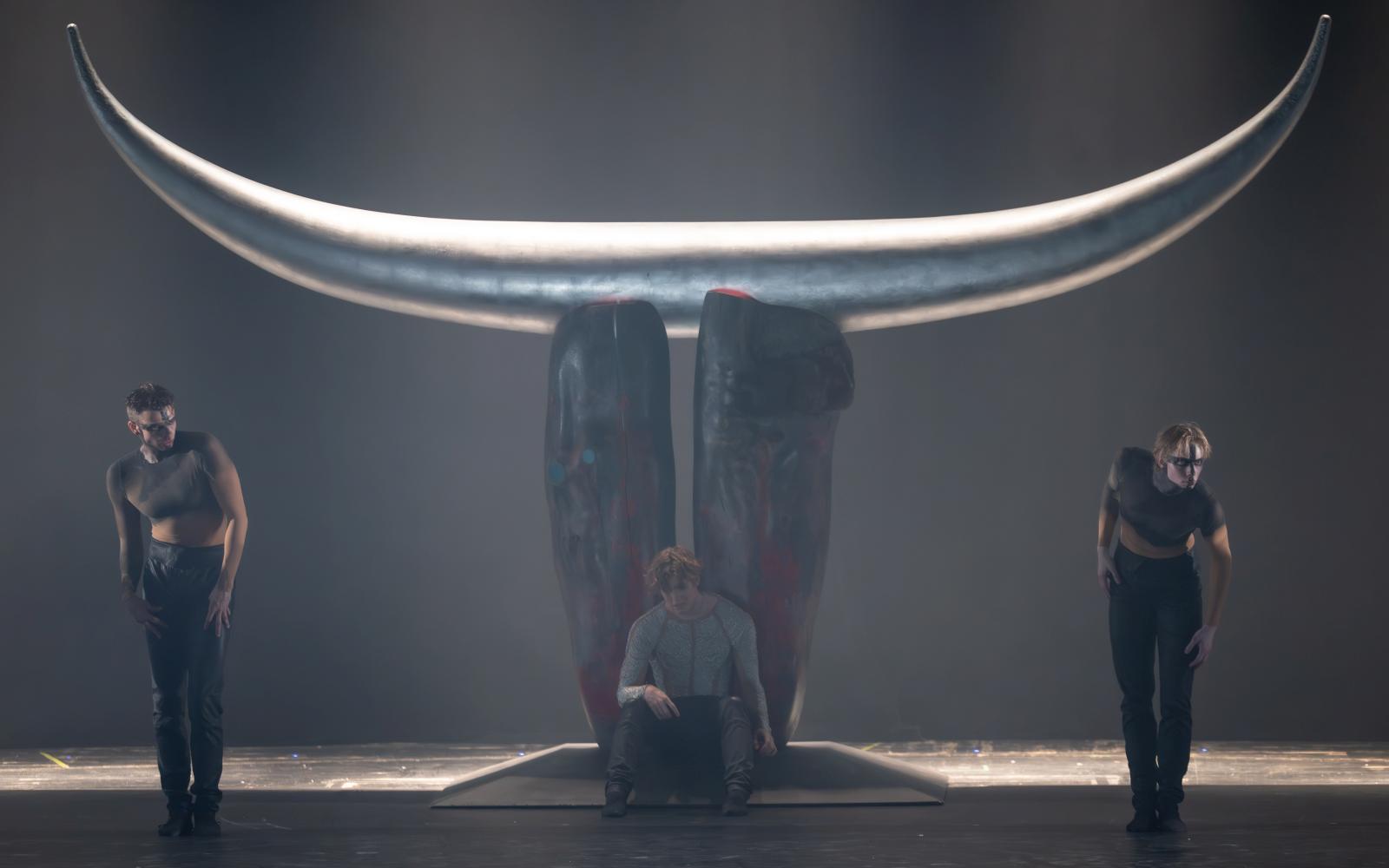
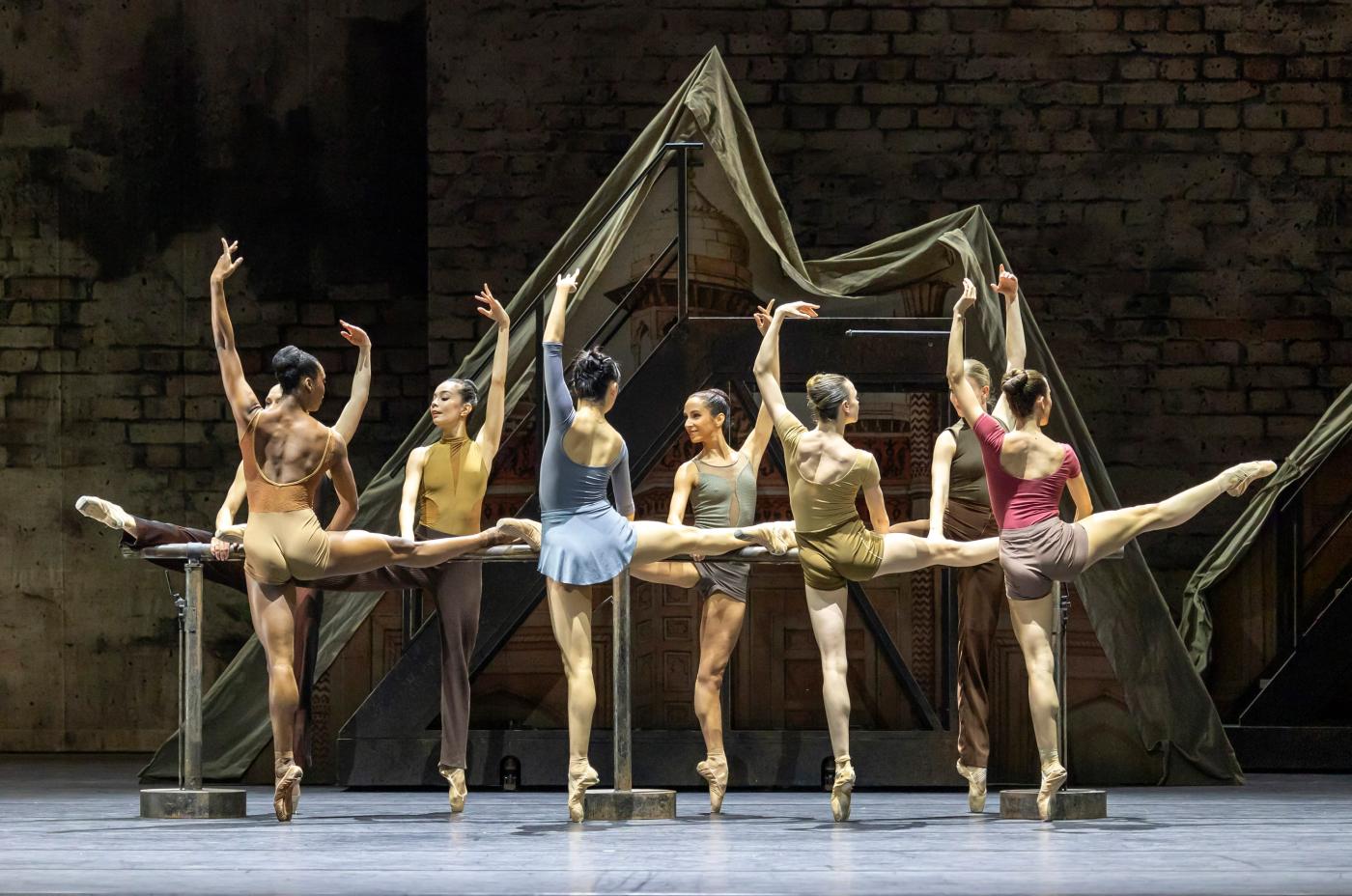
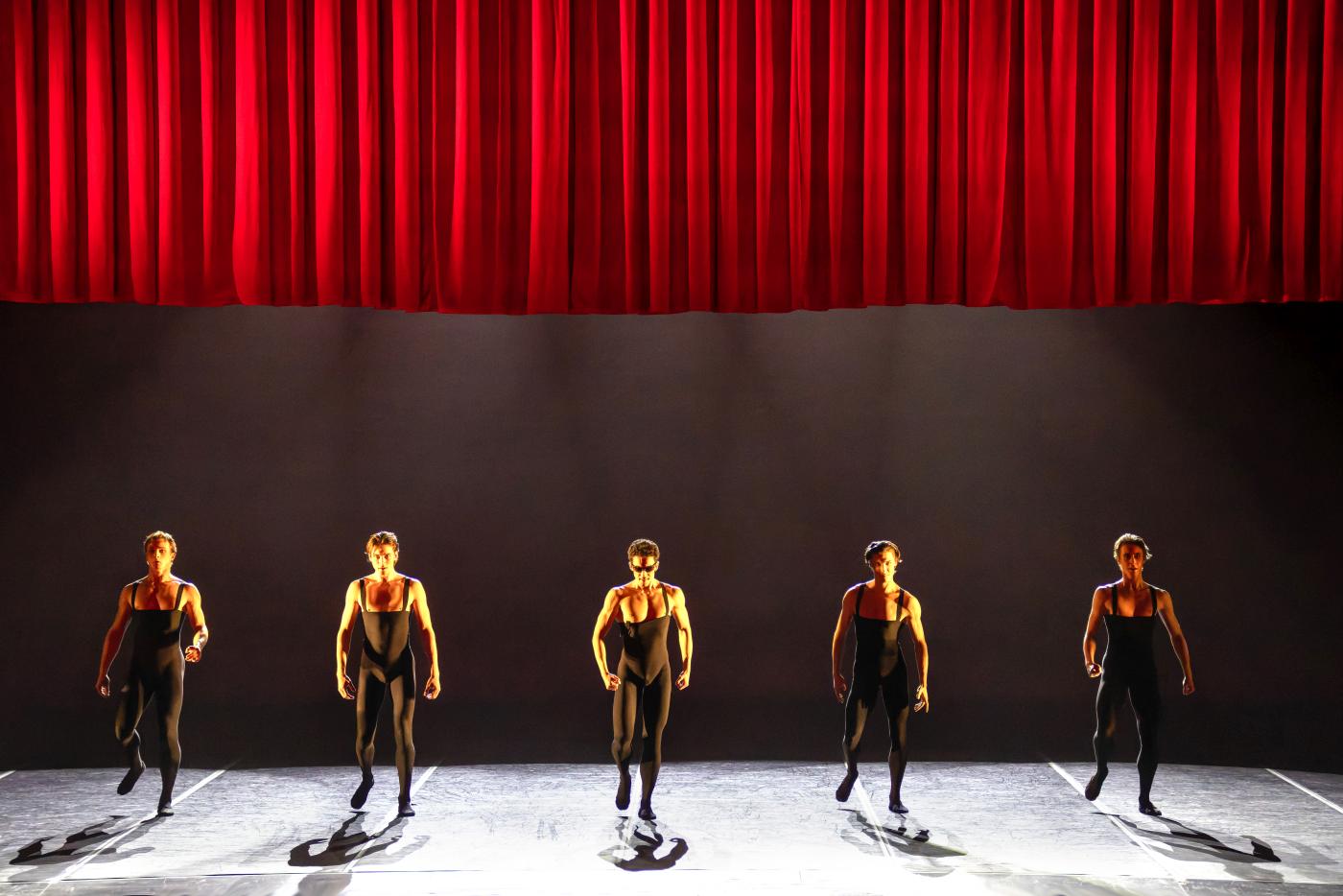
 Nijinsky (2000) is one of his strong pieces. It recaps key moments of Nijinsky’s career in a flashback that lasts from the first bars of his 1919 farewell performance at the Suvretta House, St. Moritz, to its last. He remembers his famous roles and choreographies—L’Après-midi d’un faun, Jeux, Le Sacre du Printemps, and Till Eulenspiegel—the blossoming romance with Romola and her later betrayal, the romantic and professional entanglement with Diaghilev, his brother’s fatal decline, and the relentless approach of a crushing war. Countless associations and thoughts run through his mind, which Neumeier merged into two cleverly constructed acts.

 Back in 2000, he drew on a broader choreographic palette that allowed fascinating characterizations: Nijinsky’s Marriage to God solo, for example, his and Romola’s sultry encounter on a ship to South America, and Diaghilev’s power plays in which seduction and repulsion alternated at whim. I was mesmerized by the Golden Slave’s sensuality, suffered with Petrushka, and shared Nijinsky’s horror at Stanislav losing his mind. But being familiar with the works that followed Nijinsky and the movements and poses Neumeier increasingly used until they became hackneyed is a red rag to me. It’s like spoiling a fine menu with a stale ingredient.

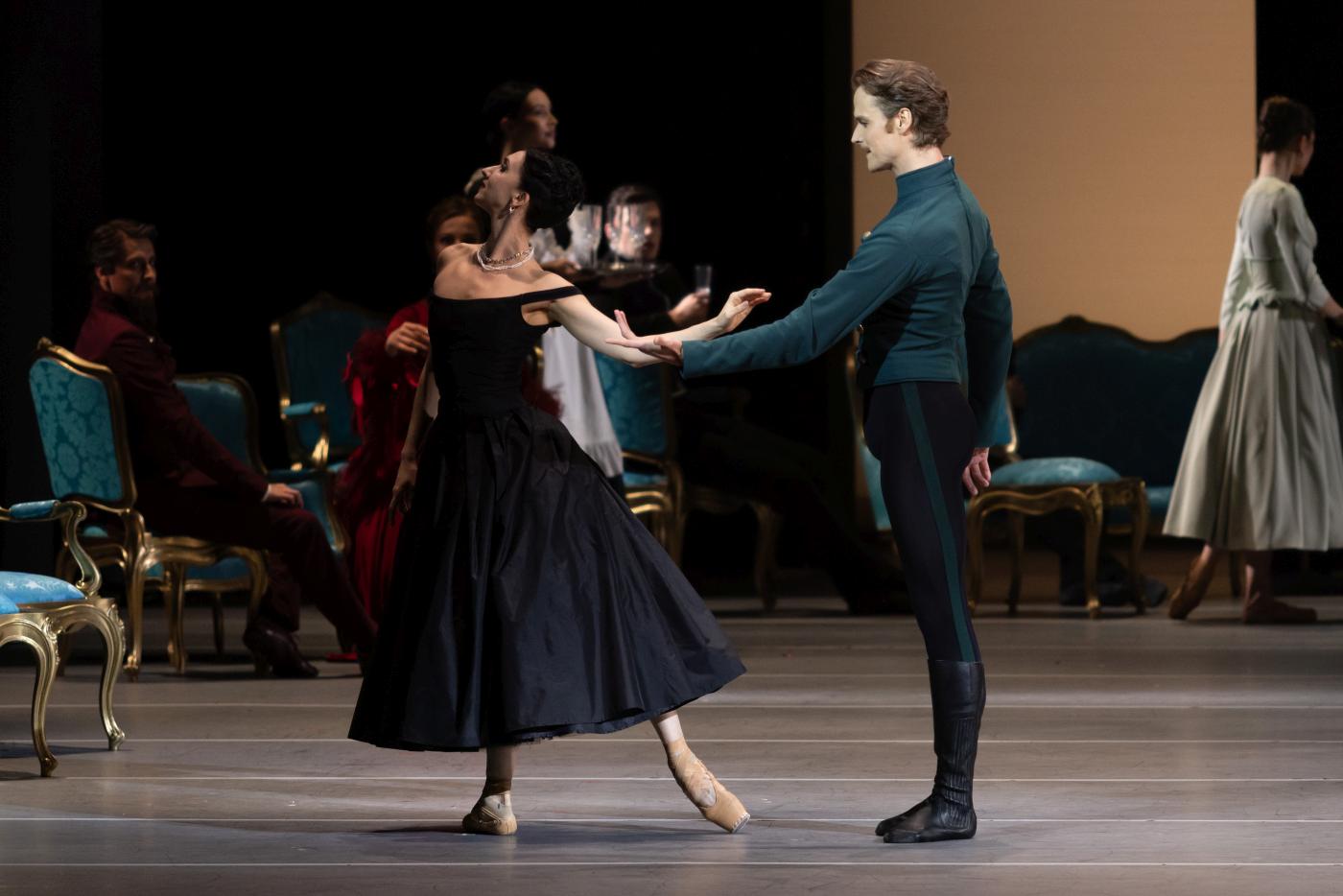
 Compared with Hamburg Ballet’s doyen, Alexandre Riabko, who frequently danced the title role and set the standard high, Alessandro Frola’s performance in Vienna was impressive. A former principal of Hamburg Ballet, Frola has grown tremendously since he joined the Vienna State Ballet one year ago. Also, Ketevan Papava’s stony-faced Romola was convincing. Nijinsky’s erotically charged roles enamored her more than the man himself, but she deserves credit for taking care of him when his psyche cracked. (Let’s disregard that she later neglected him for years while pursuing her ambitions in the U.S.) Why she would cuckold Nijinsky with the aloof Doctor Frenkel of all people (Masayu Kimoto) was incomprehensible to me.

 Ionna Avraam portrayed Nijinsky’s sister, Bronislava (Avraam’s sculpted features made her a perfect cast). Tamara Karsavina (Madison Young) joined her in the dance scenes of Nijinsky’s choreographies and Bronislava’s Les Noces. Karsavina also appeared as the sylph, reminding Nijinsky of his role as the poet. Davide Dato crossed his mind as the Harlequin and the Spirit of the Rose, and Rinaldo Venuti scampered as the tragic Petrushka (but couldn’t match his Hamburg colleagues, Ivan Urban and Lloyd Riggins). Jerking as if electrocuted, António Casalinho’s Stanislav died a terrible death.

 The impenetrable facade and rigidity of Eno Peci’s thin-lipped Diaghilev made it hard to believe that Nijinsky—and later Massine (Laurids Seidel)—gave in to his sexual desires voluntarily. Victor Caixeta’s Faun convinced, but the way his Golden Slave switched between eye-dazzling speed and sensual wriggles looked calculated and lacked the eroticism that Hamburg’s Otto Bubeníček oozed.

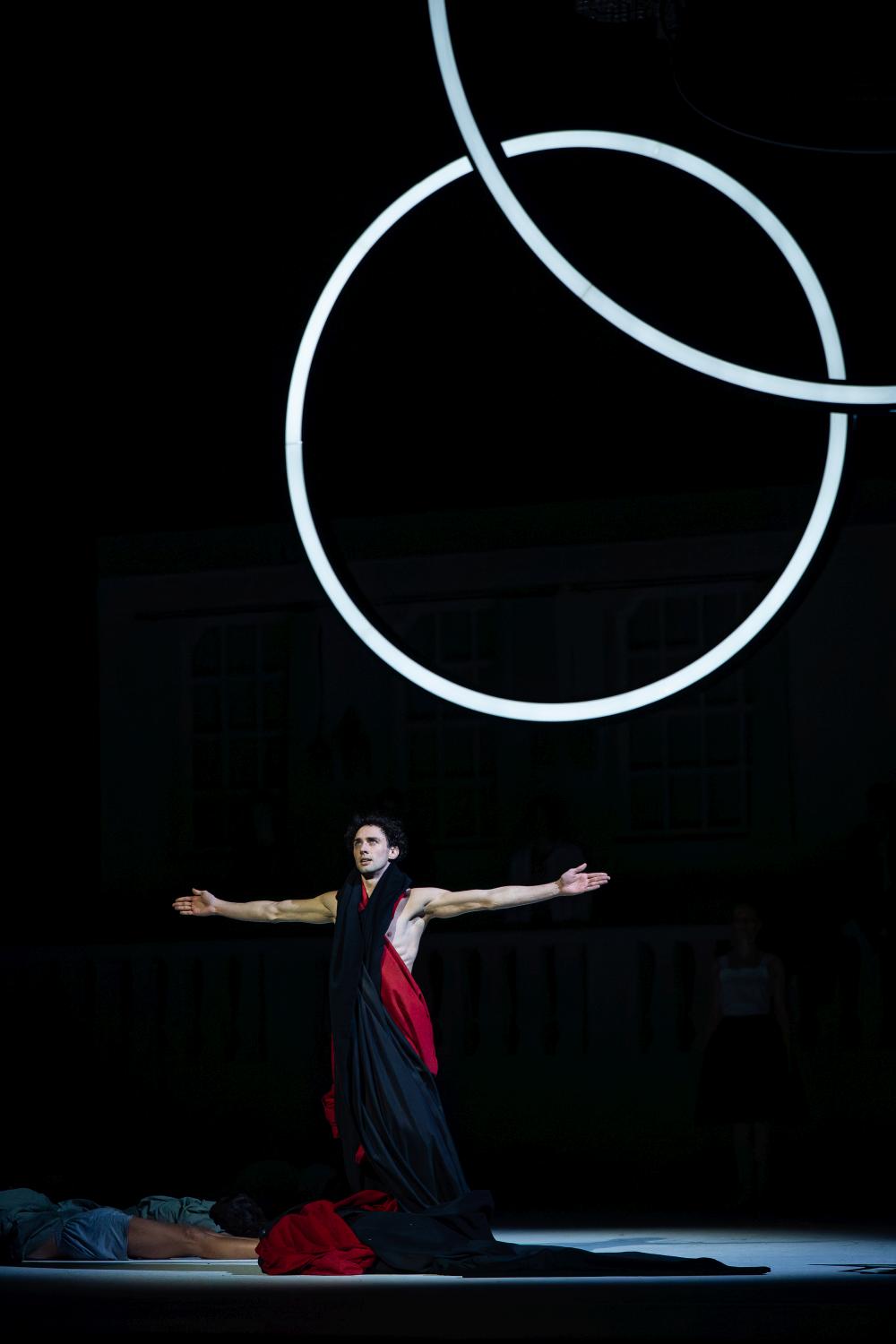
The pretentious posturing of the Suvretta House’s audience reminded me of modern-day realities. Nijinsky is, in fact, highly topical. War today feels as close as then, and Nijinsky’s empty glance made me think of a shop owner in last week’s riot-battered Paris. He hunkered on the doorstep of his demolished shop with exactly the same look.
| Links: | Website of the Vienna State Ballet | |
| Introductory matinée | ||
| Nijinsky—rehearsals | ||
| Nijinsky—trailer | ||
| Photos: | 1. | Alessandro Frola (Vaslav Nijinsky) and ensemble, “Nijinsky” by John Neumeier, Vienna State Ballet 2026 |
| 2. | Alessandro Frola (Vaslav Nijinsky) and ensemble, “Nijinsky” by John Neumeier, Vienna State Ballet 2026 | |
| 3. | Alessandro Frola (Vaslav Nijinsky), “Nijinsky” by John Neumeier, Vienna State Ballet 2026 | |
| 4. | Alessandro Frola (Vaslav Nijinsky) and Madison Young (Tamara Karsavina), “Nijinsky” by John Neumeier, Vienna State Ballet 2026 | |
| 5. | Victor Caixeta (Faun), “Nijinsky” by John Neumeier, Vienna State Ballet 2026 | |
| 6. | Davide Dato (Spirit of the Rose), “Nijinsky” by John Neumeier, Vienna State Ballet 2026 | |
| 7. | Alessandro Frola (Vaslav Nijinsky), Olga Esina (Eleonore Bereda, Vaslav’s mother), and ensemble, “Nijinsky” by John Neumeier, Vienna State Ballet 2026 | |
| 8. | Alessandro Frola (Vaslav Nijinsky), Olga Esina (Eleonore Bereda, Vaslav’s mother), António Casalinho (Stanislav Nijinsky), and Ionna Avraam (Bronislava Nijinska); “Nijinsky” by John Neumeier, Vienna State Ballet 2026 | |
| 9. | Alessandro Frola (Vaslav Nijinsky) and ensemble, “Nijinsky” by John Neumeier, Vienna State Ballet 2026 | |
| 10. | Ketevan Papava (Romola Nijinska), Victor Caixeta (Faun), Alessandro Frola (Vaslav Nijinsky), and Masayu Kimoto (Doctor Frenkel); “Nijinsky” by John Neumeier, Vienna State Ballet 2026 |
|
| 11. | Eno Peci (Sergey Diaghilev) and Alessandro Frola (Vaslav Nijinsky), “Nijinsky” by John Neumeier, Vienna State Ballet 2026 | |
| 12. | Laurids Seidel (Léonide Massine), Eno Peci (Sergey Diaghilev) and Alessandro Frola (Vaslav Nijinsky), “Nijinsky” by John Neumeier, Vienna State Ballet 2026 | |
| 13. | Alessandro Frola (Vaslav Nijinsky) and ensemble, “Nijinsky” by John Neumeier, Vienna State Ballet 2026 | |
| 14. | António Casalinho (Stanislav Nijinsky), “Nijinsky” by John Neumeier, Vienna State Ballet 2026 | |
| 15. | Ketevan Papava (Romola Nijinska) and Alessandro Frola (Vaslav Nijinsky), “Nijinsky” by John Neumeier, Vienna State Ballet 2026 |
|
| 16. | Alessandro Frola (Vaslav Nijinsky), “Nijinsky” by John Neumeier, Vienna State Ballet 2026 |
|
| 17. | Rinaldo Venuti (Petrushka), “Nijinsky” by John Neumeier, Vienna State Ballet 2026 | |
| 18. | Alessandro Frola (Vaslav Nijinsky), “Nijinsky” by John Neumeier, Vienna State Ballet 2026 | |
| all photos © Vienna State Ballet/Ashley Taylor | ||
| Editing: | Kayla Kauffman |